
Incorporating All 9 Credit Bureaus With over 25000 Dispute Letter Combinations Our Software System Is The Largest Nationwide!
USACC is the complete credit restoration business software solution package. Our Fair Credit Reporting Act Credit Repair Document Management Systems has been Specifically curated for FCRA compliance requirements under the new (CREDIT) Act.

Powerful Performance
USACC will assist you in obtaining certification as a credit repair specialist.
USACC will assist you in maintaining proper insurances and bonds.
USACC will provide you with the legal requirements for starting and operating your credit repair business.
Truly Amazing Targeting
USACC will assist you in obtaining a Certificate of Registration as a CSO with your State.
USACC will provide your business with notices and contracts for your clients.
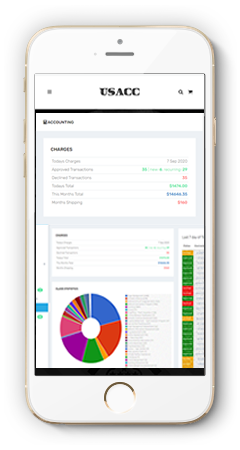
USACC will provide a specialized monitoring and accounting system for you and your clients.
Business Owners Dream
HIPPA Compliant system including computers, servers, printers and mailing systems to run our software included with USACC Software.
USACC will provide you a business website and ongoing local advertisments for your Concierge Credit Repair Company.
Show Me The Credit
Credit Restoration Progress Monitoring Included for your Clients.Your consumers can login 24/7 and receive live automated status updates, keeping you ahead of the field and saving you countless phone calls.
Justify your elite concierge services with this included vital tool.
Real Clarity = Delighted Clients = More & More Referrals.
Dedicated Partner Support
When you are using our software, we are your partners. We can assist you in driving your system as you learn.
Extensive Documentation
We have covered each & every creditor along with thousands of dispute responses in our Docs including Videos & Screenshots.
Case Management Tools
Correspondence coordination & individual consumer treatment plans combine to streamline each restoration project.
Profitability Power
Review update and print up to 8 clients each hour giving you the superpower to handle an enormous number of clients each month.
Run Multiple Dispute Plans
Alternate treatment plans & attack different sections on larger cases to broaden your reach and shorten completion times.
Dynamic System Software
USACC is constantly updating & expanding software data & system capabilities to maintain our advantage over the field.
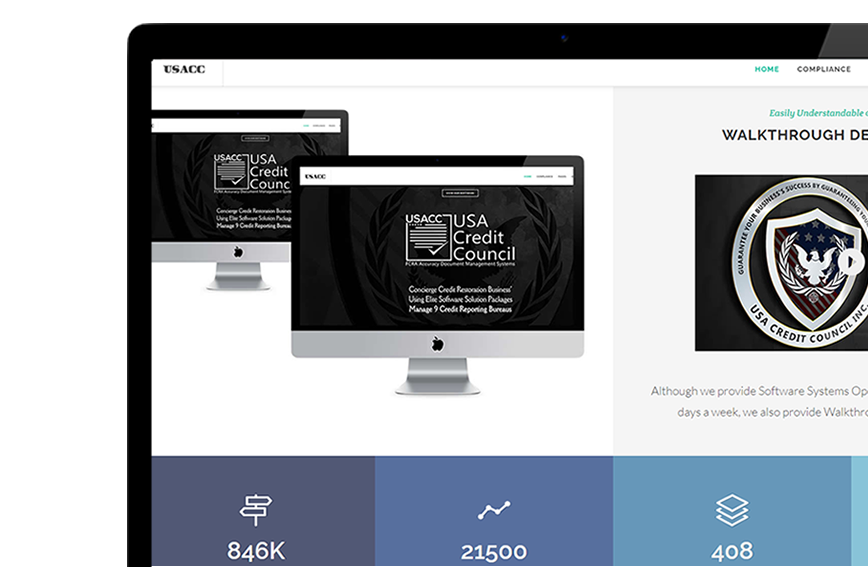
Walkthrough Demos & Videos


Although we provide Software Systems Operations Support and Tech Support 6 days a week, we also provide Walkthrough Demonstrations & Videos.
Total Removed Items
Dispute Combinations
Plan Styles Available
Bureaus Serviced
Responsive Layout
Review update and print up to 8 clients each hour with simple clicks and note inputs..
Profitability Capability
Beautiful Software Simplicity allowing you to handle an enormous number of clients each month..
Powerful Performance
Review update and print up to 8 clients each hour giving you the superpower to handle an enormous number of clients each month.
RUN MULTIPLE DISPUTE PLANS
Alternate treatment plans & attack different sections on larger cases to broaden your reach and shorten completion times.
Granular Targeting
Highly specific and accurate targeting. allowing you to broaden your reach and shorten completion times.
Endless Possibilities
Complete control on each & every element that provides endless customization possibilities.
Interchangeable Letter Styles
Change your Plans Primary Style instantly by simply adding the change to the dashboard.
Dedicated Partner Support
We can assist you in driving your system as you learn.
Extensive Documentation
Each creditor covered along with thousands of dispute responses in our Docs including Videos & Screenshots.
Show Me The Credit
Your consumers can login 24/7 and receive live automated status updates, keeping you ahead of the field and saving you countless phone calls.
Justify your elite concierge services with this included vital tool.
Real Clarity = Delighted Clients = More & More Referrals.


